That “I Just Found My Dog Outside” Moment
If you’re reading this after opening the door and finding your dog shivering on the step: take a breath.
The guilt hits first.
- “How did I not notice?”
- “How long have they been out here?”
- “Did I just seriously hurt my dog?”
Reddit is full of those middle‑of‑the‑night posts:
> “We accidentally left our dog outside all night. He’s shivering but walking. What do I do? Is he going to die?”
Most of the time, with the right first 10 minutes, these stories end okay. But hypothermia can be life‑threatening, and rewarming the wrong way can make things worse.
This article is your calm, practical checklist for that exact scenario:
1. What to do immediately when you find your dog
2. How to check for hypothermia and other red‑flag signs
3. When to call a vet or emergency clinic
4. How to rewarm safely (and what not to do)
5. How to build a prevention routine so this doesn’t happen again
Keep this handy. Hopefully you’ll never need it—but if you do, you’ll be glad you know it.
Step 1 – Get Your Dog Inside and Calm the Room
The first step is always the same, whether it’s mildly chilly or dangerously cold:
1. Bring your dog indoors immediately. Don’t assess everything on the porch.
2. Close doors and reduce noise. Keep things calm—panic in the room stresses your dog.
3. Leash or contain gently if they’re pacing; keep them in a warm, quiet area.
While you’re doing this, don’t:
- Don’t go straight to a hot bath.
- Don’t wrap in an electric heating pad.
- Don’t assume “they’re walking so they’re fine.”
You’re going to quickly assess how bad things are, then decide between home care + vet call versus immediate emergency care.
Step 2 – Quick Triage: How Cold Is “Too Cold”?
If you have a digital rectal thermometer and feel safe using it, that’s the best data you can get.
Normal dog body temperature:
- 100.5–102.5°F (38–39.2°C)
Hypothermia ranges (compiled from PetMD, Bond Vet, and PDSA):
- Mild: ~98–99°F (36.7–37.2°C)
- Moderate: ~90–97°F (32.2–36.1°C)
- Severe: below 90°F (32.2°C)
> If you measure below ~98°F, treat this as urgent and call a vet or emergency clinic immediately for guidance.
If you don’t have a thermometer, use behaviour and physical signs.
Check for:
- Shivering – light vs violent? Still shivering or has it stopped?
- Responsiveness – bright and aware, or dull and slow to respond?
- Walking – steady or stumbling/weak?
- Gums – healthy pink, or pale/blue/grey?
- Heart & breathing – normal rate, or very slow/shallow?
You can use this rough guide:
Likely Mild Hypothermia
- Shivering, but still responsive and able to walk
- Tail may be tucked
- Cold ears, paws, and body surface
- Seems anxious, clingy, or restless
Concerning / Moderate–Severe Signs
- Shivering that is very intense – or has stopped even though the dog feels cold
- Weakness, stumbling, unable or unwilling to stand
- Very slow or confused responses
- Pale or blue‑tinged gums
- Very slow heartbeat or breathing
- Collapse or unresponsiveness
> If you see any moderate/severe signs, or you’re unsure: skip the internet and call a vet or emergency clinic immediately.
Step 3 – When to Call a Vet (Err on the Side of “Too Soon”)
You never get criticized by a vet for calling too early about potential hypothermia. You do get into trouble for waiting.
Call a vet or emergency clinic right away if:
- Your dog’s temperature is below ~98°F (36.7°C)
- Shivering has stopped but your dog still feels cold
- Your dog is weak, can’t stand, or collapses
- Gums are pale, blue, or grey
- Breathing is slow, shallow, or laboured
- They were likely outside for many hours in cold, wet, or windy conditions
Call for advice (same day) if:
- Your dog is shivering but otherwise alert and walking
- Pads are red or irritated from ice/snow
- There’s coughing, hacking, or unusual breathing after being out in very cold air
If you’re on the fence, pretend it’s worse than you think and call. Let the professionals downgrade the situation if it’s truly mild.
> Many clinics can talk you through rewarming at home while you’re on the phone, or tell you to come in immediately.
Step 4 – Safe Rewarming: Do This, Not That
Once your dog is indoors and you’ve called or are planning to call a vet, you can start gentle rewarming.
Do:
1. Dry your dog thoroughly if they’re wet (rain, snow, frost, drool frozen on fur).
- Use towels first.
- A hair dryer on low, warm (not hot) setting can be used at a distance if your dog tolerates it.
2. Wrap them in warm, dry blankets or towels.
- You can pre‑warm towels/blankets in the dryer for a few minutes.
3. Warm the core first, not the extremities.
- Focus on chest, belly, and armpits, not just paws.
4. Use your own body as a safe heat source.
- Sitting on the floor with your dog wrapped and cuddled against you provides gentle, controlled heat.
5. Offer small amounts of lukewarm water if they’re fully awake and able to swallow normally.
Don’t:
- Don’t use direct high heat (heating pads, electric blankets on high, hot water bottles directly on skin).
- Don’t put them in a hot bath or shower. Rapid surface warming can shock the body.
- Don’t rub vigorously to “get the blood flowing.” This can damage cold tissues.
- Don’t delay veterinary care because they “look a bit better” after 10 minutes.
Veterinary sources warn about “rewarming shock”—rewarming too quickly or with intense heat can cause dangerous shifts in blood flow and electrolytes. Slow and steady, under vet guidance, is safest.
Step 5 – What If My Dog Seems Fine Once They’re Inside?
Sometimes you find your dog outside, bring them in, wrap them in a blanket, and within 20 minutes they’re snoring on the sofa like nothing happened.
That’s great—but still do a quick post‑incident checklist:
- Check their paws and skin for ice burns, cuts, or cracks.
- Monitor for coughing, lethargy, or stiffness over the next 24–48 hours.
- Make a note of how long they were likely out and what the weather was.
If your dog:
- Is eating and drinking normally
- Is walking and moving normally
- Has normal energy level
- Has a normal rectal temperature (if checked)
…then you’re probably dealing with a lucky escape + big lesson scenario.
It’s still worth calling your regular vet the next day to let them know what happened and ask if they want to see your dog, especially for puppies, seniors, small breeds, or dogs with heart/respiratory issues.
Step 6 – Prevention: Build a “Cold Night Safety Routine”
The best hypothermia strategy is the kind where you never need this article again.
Here’s a practical, non‑paranoid prevention set‑up.
1. Door Routine
Pick one default door for dog potty breaks. Then add:
- A small hook or shelf for the leash right by that door
- A note or checklist (“Dog Inside?”) at eye level
Every time someone locks that door at night, they do a quick headcount:
- Dog seen? ✅
- Water bowl topped up? ✅
- Door locked? ✅
2. Bell Training
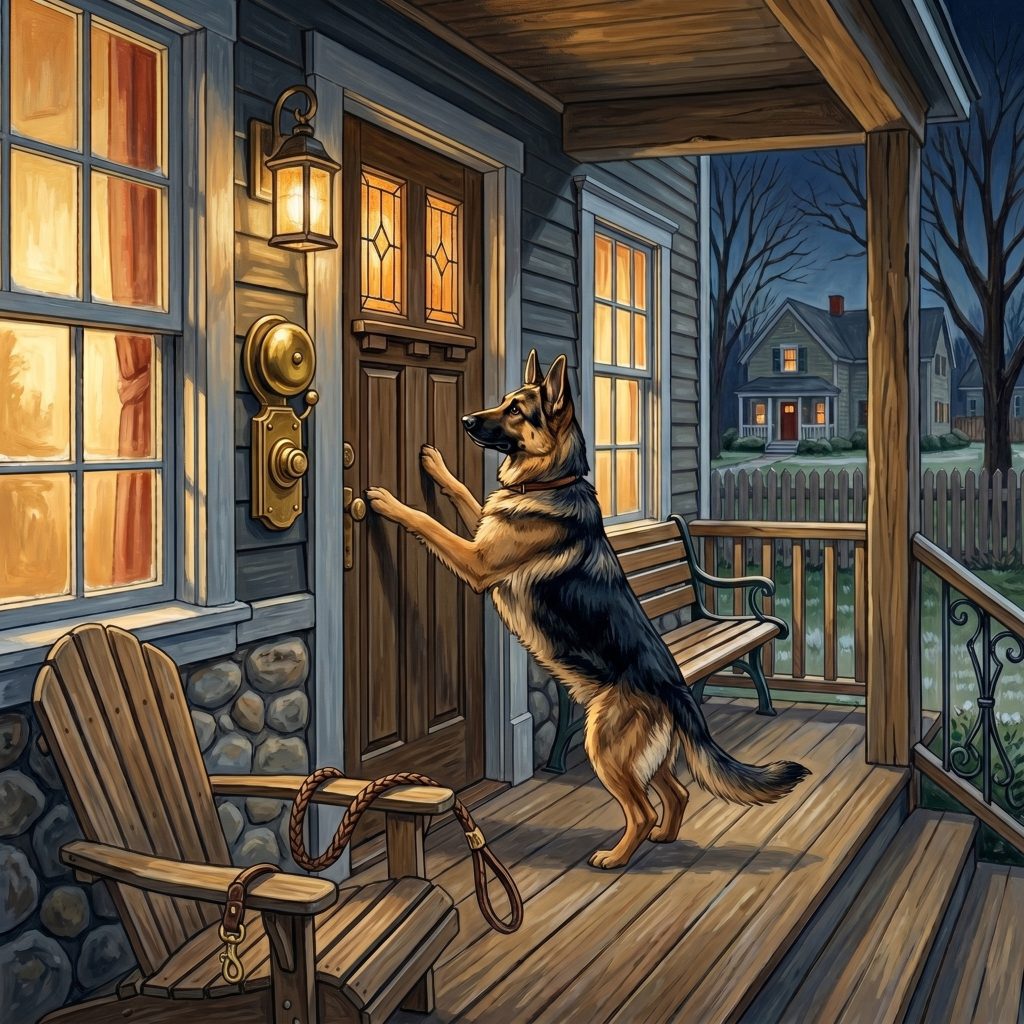
Hang a bell or strap of bells on the door handle.
- Teach your dog that nosing or pawing the bell = door opens.
- Even if everyone forgets, the dog has a way to say, “Hey, I’m still out here.”
This isn’t perfect (some dogs over‑use it), but for many families it’s a helpful backup signal.
3. Backyard Lighting
If you have a yard, add:
- Motion‑sensor lighting near the main exit
- A small solar lamp near the usual potty spot
The goal is to make it visually obvious if a dog is still out there when someone glances outside.
4. Phone Reminders & Smart Home Extras
- A simple bedtime reminder on your phone: “Lock doors / Dog inside?”
- If you have a smart home device, a voice routine like: “Goodnight” → turns off lights, locks doors, and reminds: “Did you bring the dog in?”
Fast “Oh No” Checklist – Screenshot This
If you just found your dog outside in the cold:
1. Bring them indoors immediately.
2. Dry them if they’re wet.
3. Wrap in warm blankets, focus on chest and belly.
4. If possible, check rectal temperature. 5. Call a vet or emergency clinic if:
-
- Temp is below ~98°F (36.7°C), or
- Shivering stops but they feel cold, or
- They’re weak, collapsing, confused, or breathing oddly, or
- Gums are pale/blue/grey.
6. Use gentle warmth only (no hot baths or direct high heat). 7. Monitor closely for the next 24–48 hours.
Sources & Further Reading
- PetMD – Hypothermia in Dogs: Signs and Treatment: https://www.petmd.com/dog/conditions/cardiovascular/dog-hypothermia
- Bond Vet – Can Dogs Get Hypothermia?: https://bondvet.com/blog/dogs-hypothermia
- PDSA – Hypothermia in Pets: https://www.pdsa.org.uk/pet-help-and-advice/pet-health-hub/conditions/hypothermia-in-pets
- Vetster – Hypothermia in Dogs: https://vetster.com/en/conditions/dog/hypothermia
- Various real‑world owner experiences and vet replies from r/dogs, r/puppy101, and other pet communities (search: “left dog outside overnight cold”)